

Invest Smart. Live well

For Business Owner: Understanding Worker Compensation Insurance in CA

Worker Compensation insurance is a crucial aspect of employee welfare and business operations in California. This document aims to provide a comprehensive overview of Worker Compensation insurance, including its purpose, benefits, requirements, and the claims process. Understanding these elements is essential for both employers and employees to ensure a safe and compliant workplace.

What is Worker Compensation Insurance?

Worker Compensation insurance is a type of insurance that provides financial and medical benefits to employees who are injured or become ill as a direct result of their job. In California, this insurance is mandated by law for most employers, ensuring that workers receive necessary care and compensation without needing to prove fault.

Purpose of Worker Compensation Insurance

The primary purpose of Worker Compensation insurance is to protect both employees and employers.
  • For employees, it ensures that they receive medical treatment and wage replacement if they are injured on the job.
  • For employers, it limits their liability in case of workplace injuries, as employees generally cannot sue their employers for work-related injuries if they are covered by Worker Compensation.

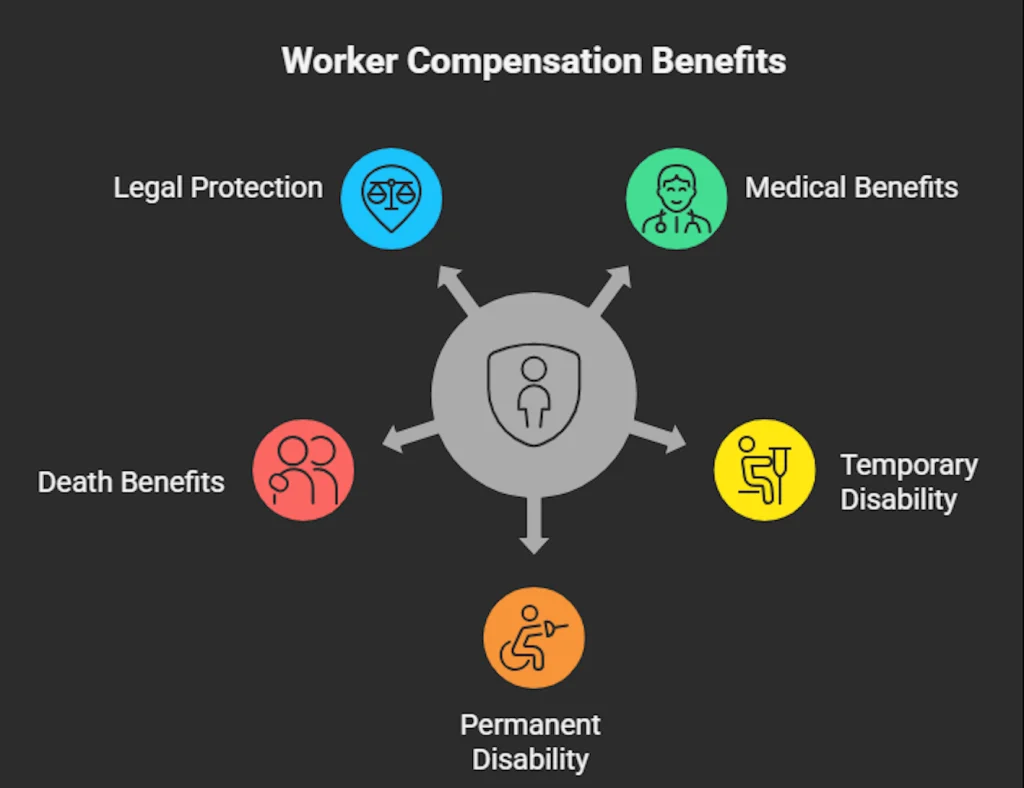
Benefits of Worker Compensation Insurance

  1. Medical Benefits: Covers medical expenses related to the injury or illness, including hospital visits, surgeries, and rehabilitation.
  2. Temporary Disability Benefits: Provides wage replacement for employees who are unable to work due to their injury or illness.
  3. Permanent Disability Benefits: Offers compensation for employees who suffer long-term or permanent impairments.
  4. Death Benefits: Provides financial support to the dependents of employees who die as a result of a work-related injury or illness.

  5. Legal Protection: Protects employers from lawsuits related to workplace injuries, as long as they have Worker Compensation insurance.

Requirements for Worker Compensation Insurance in California

In California, most employers are required to carry Worker Compensation insurance, regardless of the number of employees. Here are the key requirements:
  • Mandatory Coverage: Employers with one or more employees must provide Worker Compensation insurance.
  • Insurance Providers: Employers can purchase insurance from private insurance companies, or they can self-insure if they meet specific criteria set by the state.
  • Posting Requirements: Employers must display a notice informing employees of their rights under Worker Compensation laws.
  • Reporting Injuries: Employers are required to report any workplace injuries to their insurance provider promptly.

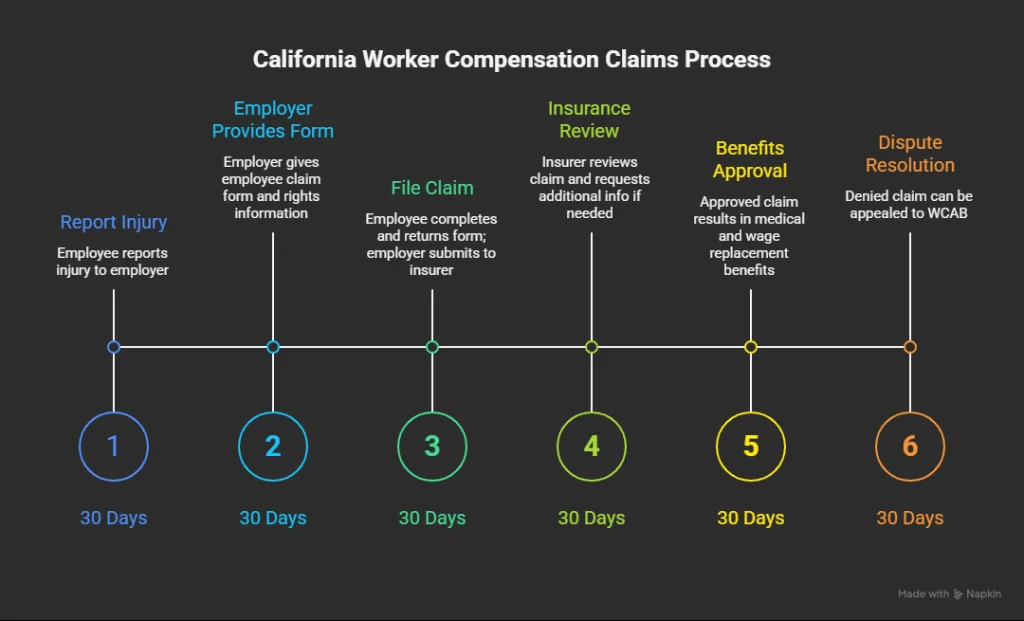
The Claims Process

  1. Report the Injury: Employees must report their injury to their employer as soon as possible, ideally within 30 days.
  2. Employer’s Responsibilities: Once notified, the employer must provide the employee with a claim form (DWC 1) and information about their rights.
  3. Filing the Claim: The employee completes theclaim form and returns it to the employer, who then submits it to the insurance company.
  4. Insurance Review: The insurance company reviews the claim and determines whether it is valid. They may request additional information or medical records.

  5. Benefits Approval: If the claim is approved, the employee will receive medical benefits and wage replacement as applicable.
  6. Dispute Resolution: If a claim is denied, the employee has the right to appeal the decision through the Workers’ Compensation Appeals Board (WCAB).

Common Misconceptions

  • Only Physical Injuries are Covered: Many people believe that only physical injuries are covered under Worker Compensation. However, it also includes mental health issues and occupational diseases.
  • You Can Sue Your Employer: While employees can sue third parties for negligence, they generally cannot sue their employer for work-related injuries if they are covered by Worker Compensation.
  • Coverage is Optional: Some employers think that Worker Compensation insurance is optional, but it is mandatory for most businesses in California.

Conclusion

Worker Compensation insurance is a vital component of workplace safety and employee protection in California. Understanding its purpose, benefits, requirements, and claims process is essential for both employers and employees. By ensuring compliance with Worker Compensation laws, businesses can foster a safer work environment and protect their workforce from the financial burdens associated with workplace injuries and illnesses.

Popular Posts